Advanced AI chips are back in the headlines as Washington tightens controls on China’s access to American computing technology, including remote access through overseas data centers. It’s a debate about some of the most advanced equipment in the world. It also raises a question worth asking about the little box that keeps an elevator phone connected. How much do you know about the equipment your customers are about to depend on?
Export controls are about where hardware ends up. If you buy or manage telecom equipment, you have to follow the trail in both directions. Where did the device come from? Once it’s installed, who can get to it?
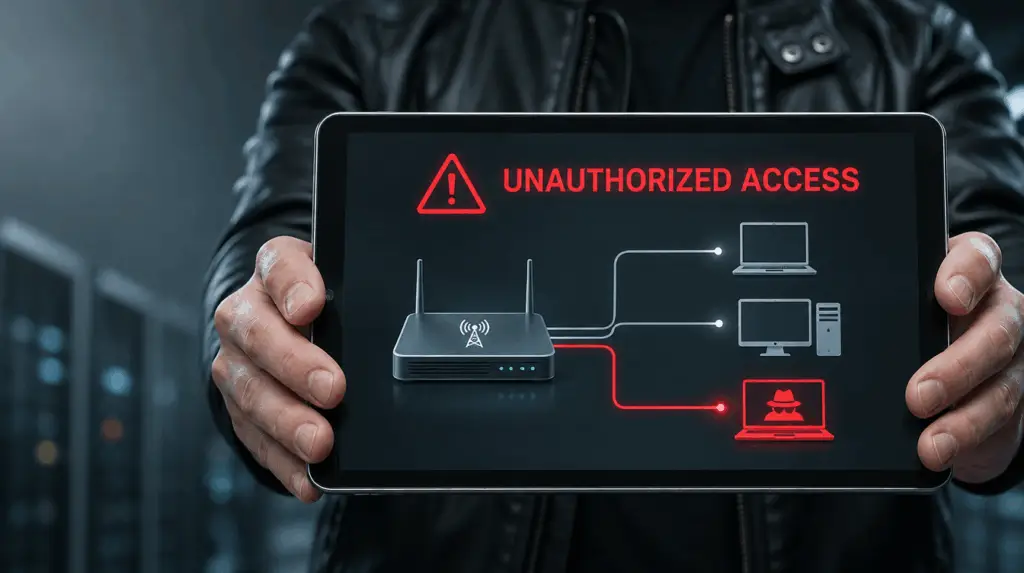
That second question is where the China-linked espionage story gets uncomfortably practical. In the campaign commonly called Salt Typhoon, U.S. and allied agencies documented state-sponsored actors targeting telecom routers and using trusted connections to reach other networks. A router can keep doing its day job while someone else takes an interest in what passes through it.
What “American-made” should tell you
There’s a good case for buying American. Start by asking what part of the product the claim describes. Where was it designed? Where was it manufactured? Who maintains the firmware? Those answers can lead to three different places.
U.S. design matters when it gives your customer a clear line to the people responsible for the product and its security decisions. U.S. manufacturing matters when domestic origin is a purchasing requirement and the supplier can document it for the model on the quote. The country of origin belongs in the procurement file. The answer to who can push a firmware update belongs in the security review. You want both before the box goes on the wall.
The same principle applies to security claims. If the customer requires FIPS 140-3, ask what that covers in the proposed solution. For a federal bid, check the applicable Trade Agreements Act and Section 889 requirements against the equipment and services you’re actually proposing. A badge is a remarkably efficient way to fit a long conversation into a small space. You still need to have the conversation.
Ask while the copper is still connected
Your customer probably called because a line is getting expensive or going away. You’re already talking about what will replace it. Bring up these risks while the customer still has choices.
- A hardware swap can change what qualifies. Ask for country-of-origin documentation for the exact model on the quote. If that model goes out of stock, check the substitute against the same bid requirements before it ships.
- Remote support can become a way in. Ask who can log in, how they authenticate and whether the customer can see what changed. Find out how access is removed when a technician or vendor moves on.
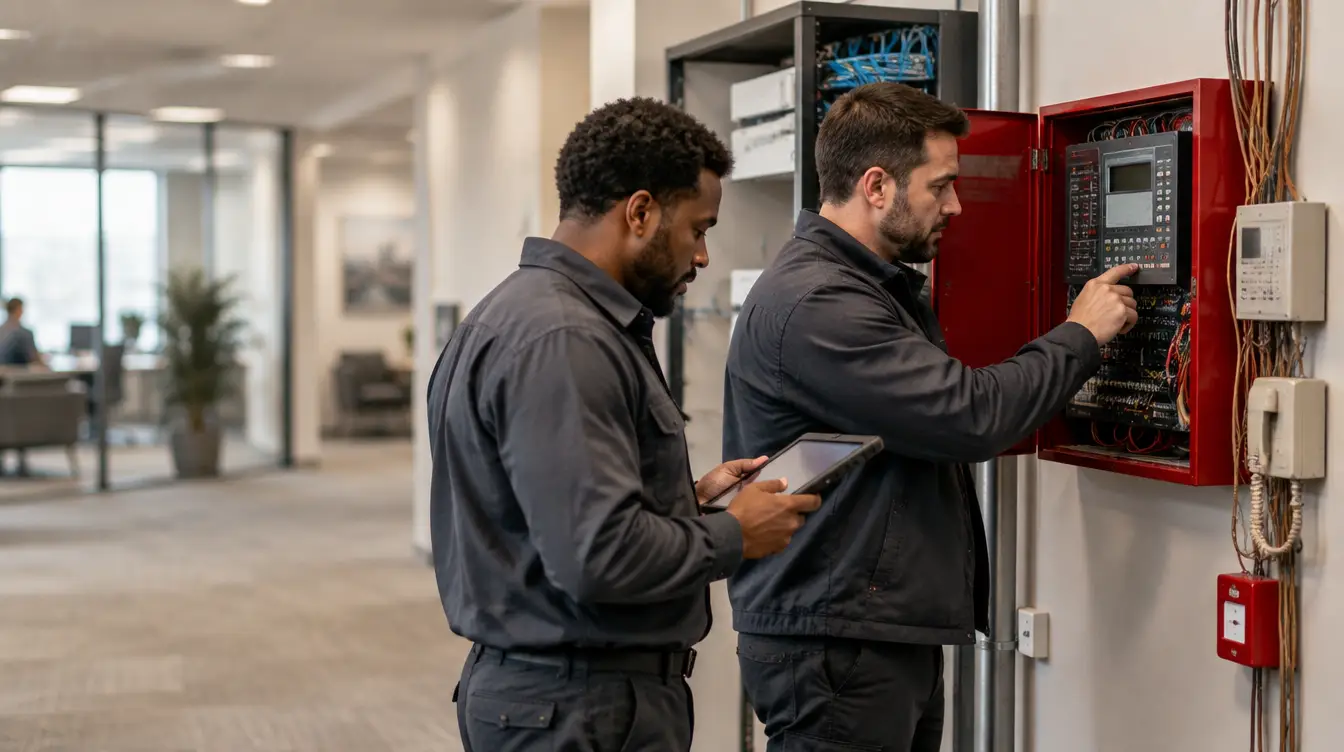
- A device can outlive its security support. Ask who supplies firmware updates, how quickly critical fixes are made available and when support ends. The fire panel may have years of service left when the box connecting it needs to be replaced.
- A working line can still fail the fire alarm test. Confirm compatibility with the exact panel model and ask what testing or documentation supports it. Check which listings or local approvals apply to the installation, then verify that the monitoring center receives the test signal.
- A backup connection can still leave the line down. Ask which devices stay powered and how long the battery has been tested to last in the proposed setup. Then test the alarm signal or elevator call on the backup connection before you disconnect the copper.
This is the work TELCLOUD does with carriers, resellers and MSPs. We help work through the equipment, connectivity and cutover for the lines a customer can’t afford to lose, and we’re there to support the service after it goes live. Visit TELCLOUD’s Security & Compliance page to learn more.
The chip story will move on. The equipment your customer puts on the wall could be there for years. Before you connect it, be able to tell them where it came from, who can get to it and what happens when the lights go out.