
Chapter 10 - Critical Application Insight: Elevators
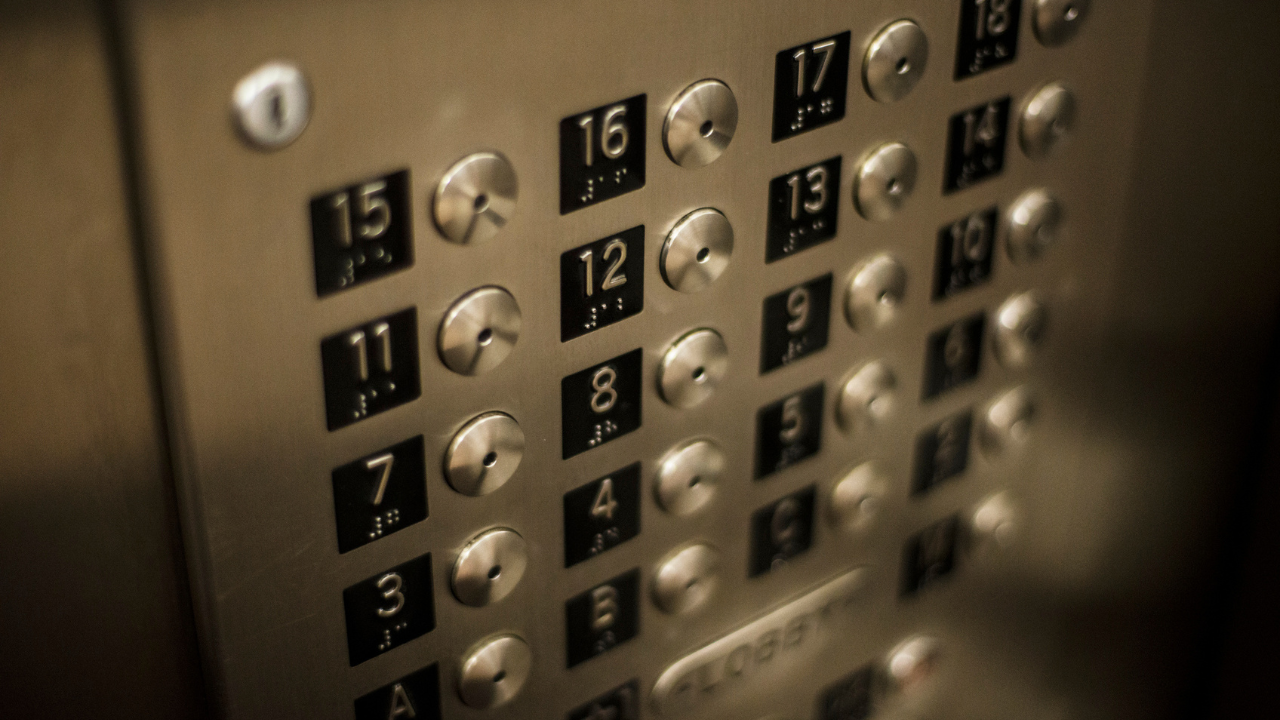
Elevators are among the most visible life-safety systems in any building, and their emergency phones are regulated accordingly. When a passenger presses the call button, the line must connect to assistance every time, regardless of the circumstances. These requirements are defined by the ASME A17.1 code, which specifies the conditions under which elevator communication systems must operate.
Regulatory Requirements
ASME A17.1 sets out several clear expectations for elevator phones:
- 24/7 Availability: The phone line must connect to a designated party at any time of day or night.
- Hands-Free Operation: Passengers must be able to communicate without using their hands.
- Backup Power: The system must remain functional during power outages.
- Audible and Visual Indicators: When a call is placed, the passenger must receive confirmation that the signal was received and that help is on the way.
- Testing and Maintenance: The communication system must undergo regular checks to confirm proper operation.
While visual and audible signaling, along with regular testing, is the responsibility of the elevator phone system or service provider, the connectivity layer remains essential. If the underlying line fails, the system cannot fulfill its purpose, no matter how well the hardware functions.
The Risk of Copper Dependency
Historically, elevator phones have relied on POTS lines for compliance. Copper delivered not just connectivity but also power, ensuring that phones would function even during local outages. As carriers phase out this infrastructure, many elevator lines are left unsupported or subject to long repair delays. The result is a growing risk of non-compliance with ASME A17.1.
The “ticking clock” is not theoretical. Buildings with legacy copper connections may already be experiencing service interruptions or higher monthly costs, while their emergency phones remain dependent on lines that can no longer be guaranteed.
Modern Replacement Strategies
POTS replacement solutions now provide the connectivity required by ASME A17.1 without depending on copper. The best solutions focus on replicating or exceeding the essential properties of the traditional line:
- Reliable 24/7 Connection: Routing calls to designated operators or monitoring centers without interruption.
- Battery Backup: Local power reserves to keep the line active during outages.
- Compatibility with Legacy Hardware: Presentation of an analog dial tone so existing elevator phones continue to function.
- Dual-Path Redundancy: Support for multiple carriers or IP pathways to ensure continuity if one connection fails.
- Supervised Connectivity: Remote monitoring to provide visibility into uptime and performance.
By addressing these requirements directly, property managers and service providers can ensure continued compliance without altering the elevator hardware itself.
Implications for Facility Managers
Elevator phones are more than a code requirement; they are a matter of liability and public safety. A failed call places passengers at risk and exposes building owners to regulatory consequences. Transitioning away from copper before outages occur is therefore both a safety obligation and a risk management strategy.
Modern replacements that emphasize compliance, redundancy, and supervision allow managers to maintain existing service routines while eliminating dependence on obsolete infrastructure.
Looking Ahead
The retirement of copper lines marks a turning point for elevator emergency communication. Systems that have worked reliably for decades must now be supported by modern infrastructure designed for life-safety applications.
By understanding the regulatory framework, the risks of legacy dependency, and the technological options available, providers and facility teams can ensure that elevator communication remains as dependable as the systems it is designed to protect.